

Lincoln Sheep for Sale – Large Wool Sheep With Heavy, High-Value Fleece
Discover exceptional Lincoln sheep for sale and explore one of England’s most distinctive longwool sheep breeds. Also known as the Lincoln Longwool sheep, this historic breed is admired for its large body size, impressive wool production, and long, lustrous fleece.
Lincoln sheep are particularly interesting to wool producers, fiber enthusiasts, heritage livestock breeders, and farmers developing dual-purpose sheep operations. Their substantial fleece and recognizable appearance make them a distinctive option among traditional longwool sheep breeds.
Whether you are searching for Lincoln lambs, mature breeding ewes, or Lincoln rams, selecting suitable animals requires careful evaluation of fleece characteristics, health, body condition, breeding history, and farm management needs.
Why Choose Lincoln Longwool Sheep?
The Lincoln Longwool is recognized for its impressive fleece and historical importance in sheep breeding. It can be an option for farms interested in wool production, heritage breed conservation, and appropriate meat-production opportunities.
Key characteristics include:
- Heavy fleece potential: Lincoln sheep are known for producing substantial fleeces, although fleece weight varies by animal and management.
- Long wool staples: Their fleece is characterized by long fibers that may be suitable for various textile and fiber applications.
- Lustrous wool: Lincoln wool is recognized for its sheen, which can make it attractive for certain spinning and weaving projects.
- Large body frame: The breed is traditionally associated with substantial size and strong physical development.
- Dual-purpose potential: Lincoln sheep have historically been used for both wool and meat production.
- Heritage value: The breed may appeal to farmers interested in maintaining traditional livestock genetics.
Individual performance depends on breeding, nutrition, health, environment, and management. A large fleece or recognizable pedigree does not automatically guarantee a profitable farming operation.
Lincoln Sheep Breed Characteristics
Understanding Lincoln sheep characteristics helps buyers determine whether this breed fits their livestock goals.
Physical Appearance
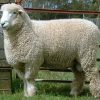
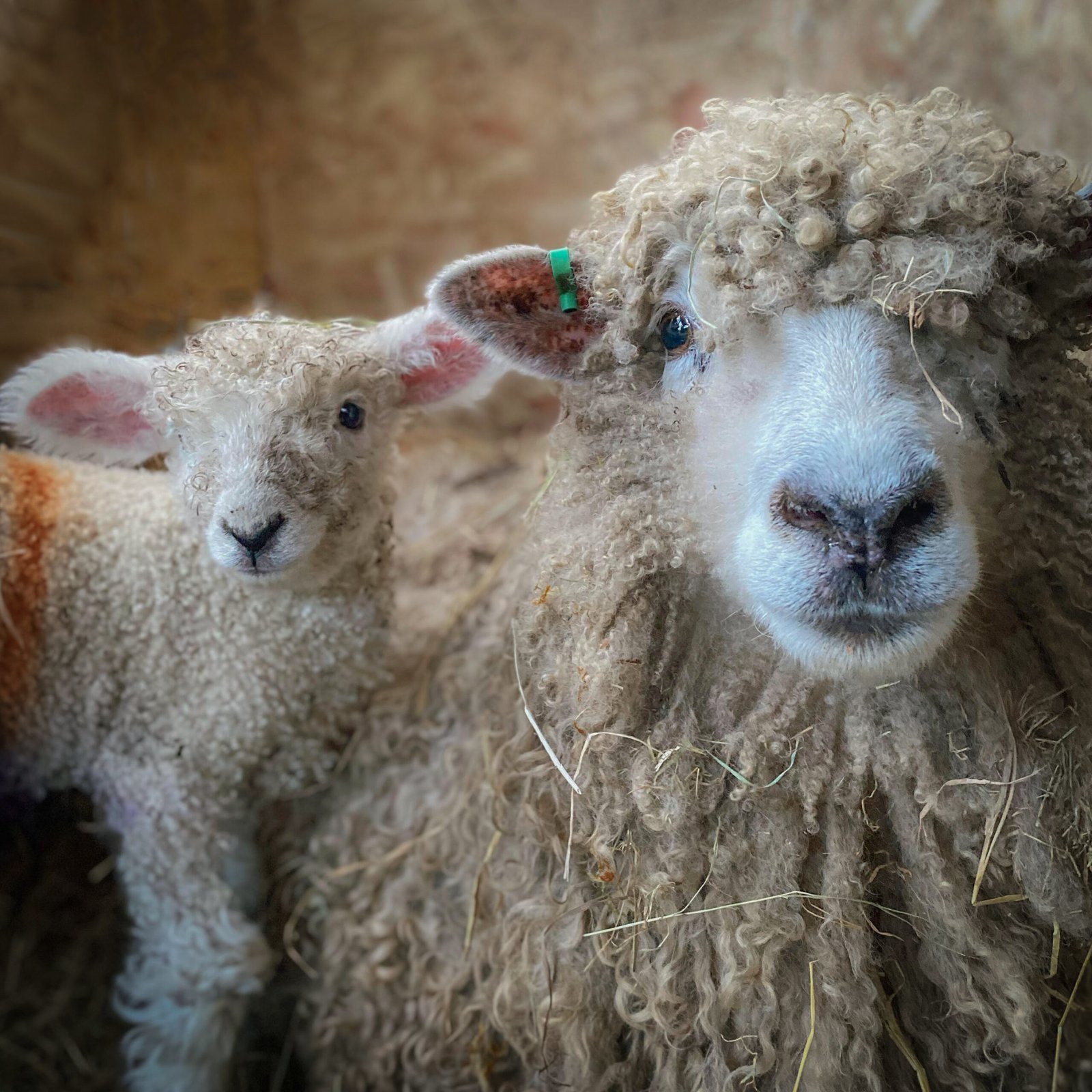
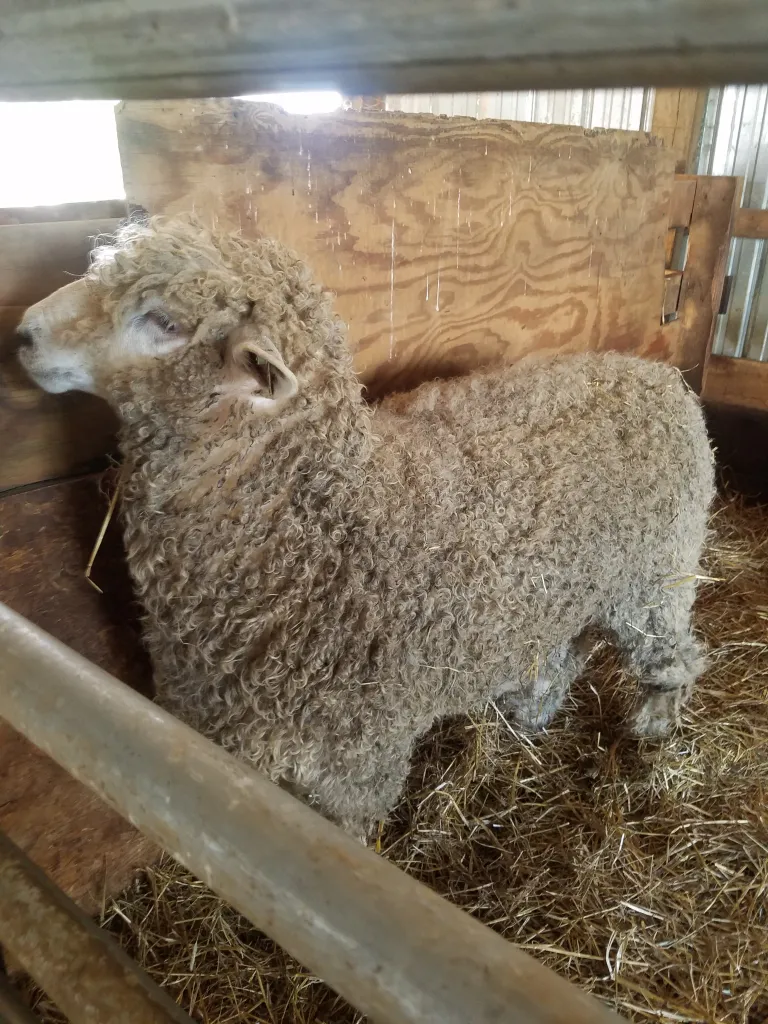
Lincoln sheep are typically large, longwool sheep with a substantial frame and a characteristic fleece that hangs in long locks. Their wool can create a distinctive appearance compared with shorter-wool breeds.
Common characteristics include:
- Large body structure
- Long, lustrous wool locks
- White fleece in the traditional breed type
- Distinctive longwool appearance
- Substantial fleece coverage
Appearance varies among individual animals, and registration standards may specify additional requirements.
Temperament
Individual Lincoln sheep may differ in their response to handling, unfamiliar environments, and flock management. Temperament is influenced by genetics, experience, health, and the way animals are managed.
When buying sheep, ask the seller about previous handling, transport experience, and general behavior. Choose animals suited to your facilities and level of livestock experience.
Lincoln Sheep Origin and History
The Lincoln sheep origin is associated with Lincolnshire, England, where the breed developed as a large longwool sheep.
The Lincoln Longwool became known for its substantial fleece and played an important role in historical sheep breeding and wool production. The breed remains of interest to heritage livestock enthusiasts and producers who value traditional longwool characteristics.
If you are purchasing Lincoln sheep for a registered breeding program, request pedigree documentation and verify eligibility with the relevant breed organization.
Lincoln Longwool Sheep for Wool Production
One of the main reasons farmers seek Lincoln Longwool sheep is their distinctive fleece.
Lincoln wool is typically long, lustrous, and relatively coarse compared with fine-wool breeds. These characteristics may make it useful for selected textile applications, including certain yarns, weaving projects, rugs, and decorative fiber products.
What Makes Lincoln Wool Distinctive?
Lincoln fleece is recognized for:
- Long staple length
- Noticeable natural luster
- Substantial fleece growth
- Strong longwool character
- Potential suitability for specialty fiber markets
The actual value of a fleece depends on its cleanliness, fiber characteristics, staple strength, processing requirements, and buyer demand.
Selecting Lincoln Sheep for Wool Quality
When evaluating Lincoln sheep for wool production, request information about:
- Previous shearing records
- Fleece weight, if measured
- Staple length and condition
- Cleanliness and contamination
- Fiber consistency
- Any available fleece evaluation results
Do not assume that a heavier fleece automatically commands a higher price. Wool value depends on market requirements and the usable quality of the fiber.
Lincoln Lambs for Sale
If you are looking for Lincoln lambs for sale, consider the animals’ age, weaning status, health, parentage, and development.
Lincoln lambs may be considered for future breeding, wool production, or other suitable farm purposes.
Before purchasing, ask about:
- Age and weaning status
- Feeding and management history
- Vaccination and veterinary records, where applicable
- Parentage and registration eligibility
- Body condition and general health
- Early fleece development
Young sheep require appropriate nutrition, clean water, shelter, and regular monitoring. For breeding purposes, assess the lamb’s development and family background rather than relying on appearance alone.
Lincoln Ewes for Sale
Lincoln ewes may be suitable for farmers looking to develop a longwool breeding flock or expand an existing operation.
When comparing breeding ewes, consider:
- Age and overall health
- Body condition and structural soundness
- Previous lambing history, where available
- Fleece characteristics and shearing records
- Pedigree and registration information
- Compatibility with your breeding objectives
For mature ewes, ask about previous reproductive performance and any known health issues. Suitable nutrition and veterinary care are important during pregnancy and lactation.
Lincoln Rams for Sale
Lincoln rams may be selected for breeding programs where longwool characteristics, sound structure, and suitable genetics are priorities.
A breeding ram should be assessed for:
- General health and body condition
- Structural soundness and movement
- Age and breeding experience
- Fleece characteristics
- Pedigree and registration documentation
- Suitability for the ewes in your flock
A ram’s size or fleece appearance alone does not establish breeding value. Consult a veterinarian or experienced breeder when evaluating animals for a breeding program.
Are Lincoln Sheep Suitable for Meat Production?
Lincoln sheep have historically been used for both wool and meat production. Their substantial body size may be relevant to certain meat-focused farming operations.
However, meat-production outcomes depend on genetics, nutrition, animal health, management, and local market requirements.
Farmers considering Lincoln sheep for meat production should evaluate growth history, feeding costs, body condition, and potential market demand.
For farms focused primarily on commercial meat production, compare the breed with other sheep types before making an investment.
Feeding and Caring for Lincoln Sheep
Lincoln sheep require responsible nutrition, health care, and fleece management.
Their needs vary according to age, body condition, pregnancy, lactation, and local environmental conditions.
Feeding Requirements
A suitable feeding program may include:
- Quality pasture and forage
- Supplementary feed when required
- Constant access to clean water
- Appropriate sheep-specific mineral supplementation
- Regular body-condition monitoring
Consult a veterinarian or qualified livestock nutritionist when developing a feeding plan.
Fleece and Shearing Management
Because Lincoln sheep produce substantial wool, fleece care is particularly important.
Management should include appropriate shearing schedules, monitoring for fleece contamination, maintaining suitable housing, and watching for skin or parasite problems.
Heavy fleece can increase the importance of appropriate management during warm or wet conditions.
Health and Housing
Provide secure fencing, suitable shelter, clean bedding where needed, and adequate ventilation.
Follow a veterinarian-guided program for vaccinations, parasite management, hoof care, and general flock health.
How to Choose the Right Lincoln Sheep
Before buying Lincoln sheep, consider the following:
- Define your purpose. Decide whether your main goal is wool production, breeding, heritage conservation, meat production, or a combination.
- Inspect the animals. Evaluate health, body condition, movement, and overall appearance.
- Examine fleece quality. Review wool characteristics and any available shearing records.
- Verify breeding documents. Request identification, pedigree, and registration records where applicable.
- Review health history. Ask about veterinary care, vaccinations, and known health concerns.
- Plan flock integration. Consider quarantine, biosecurity, fencing, housing, and feed availability.
- Confirm purchase terms. Obtain written information about the animals, price, payment arrangements, and transportation.
These steps can help you choose animals suited to your farm’s resources and production objectives.
How Much Do Lincoln Sheep Cost?
Lincoln sheep prices vary according to age, sex, pedigree, breeding quality, fleece characteristics, health, location, and seller.
Lambs, mature breeding ewes, and rams may have different asking prices because they serve different purposes.
Registered breeding stock may also be priced differently from unregistered animals.
Before purchasing, confirm whether the price is per animal or for a group. Ask whether registration documents, health records, and transportation are included.
You should also budget for feed, shearing, veterinary care, housing, fencing, and ongoing flock management.
Finding Lincoln Sheep for Sale Near You
If you are searching for Lincoln sheep for sale near me, begin by confirming the seller’s location, current availability, and whether an in-person inspection is possible.
Ask for recent photographs, videos, health information, and fleece or breeding records where relevant.
When purchasing remotely, independently verify the seller and obtain written purchase and transport terms before sending payment.
For livestock transported between states or countries, confirm applicable animal identification, veterinary certification, and movement requirements.
Frequently Asked Questions
What are Lincoln sheep known for?
Lincoln sheep are best known for their large body size and long, lustrous wool fleece. They are a traditional English longwool breed.
Are Lincoln sheep good for wool production?
Lincoln sheep are recognized for substantial fleece production. Actual wool quality and value depend on the individual animal, fleece condition, processing requirements, and market demand.
Can Lincoln sheep be raised for meat?
Lincoln sheep have a history as a dual-purpose breed. Their suitability for meat production depends on individual performance, farm management, and market conditions.
What is the difference between Lincoln sheep and Lincoln Longwool sheep?
Lincoln sheep and Lincoln Longwool sheep generally refer to the same historic breed from Lincolnshire, England.
What should I check before buying Lincoln breeding sheep?
Review health, body condition, structural soundness, fleece characteristics, breeding history, and registration documents where applicable.
Are Lincoln sheep suitable for beginners?
Some Lincoln sheep may be manageable for less experienced livestock keepers, but their large size, fleece care, and general husbandry requirements should be considered. Seek guidance from an experienced sheep producer or veterinarian.
Find Lincoln Longwool Sheep for Your Farm
Lincoln sheep can be an appealing choice for farms interested in traditional longwool fleece, heritage livestock breeding, and appropriate dual-purpose production.
Whether you are looking for lambs, ewes, or rams, compare each animal’s health, fleece quality, breeding information, and suitability for your operation.
Contact the seller to confirm current availability, pricing, animal records, and transportation arrangements before purchasing. Lincoln Sheep for Sale – Large Wool Sheep With Heavy, High-Value Fleece
If you are searching for lincoln sheep for sale, you are investing in one of the world’s largest and most productive wool sheep breeds. Lincoln sheep are famous for their long, lustrous fleece, strong body size, and high wool yield, making them an excellent choice for farmers focused on wool production, breeding, and crossbreeding programs.
Lincoln sheep are especially valued in markets that demand long-staple wool for carpets, rugs, and industrial textiles.
Why Lincoln Sheep Are Highly Valued for Wool Production
Lincoln sheep are known for producing some of the heaviest fleeces of any sheep breed. Their wool is long, shiny, and durable, making it suitable for a wide range of commercial uses.
Key advantages of Lincoln sheep include:
-
Very long, strong wool fibers
-
Heavy fleece weight and high annual yield
-
Large body frame and strong growth
-
Calm temperament and easy handling
-
Excellent performance in crossbreeding programs
These qualities continue to increase demand for lincoln sheep for sale among wool farmers and livestock breeders.
Lincoln Sheep for Sale for Wool and Crossbreeding
Lincoln sheep are often used in crossbreeding to improve wool length, fleece weight, and body size in other breeds. Their genetics contribute to stronger wool fibers and increased overall flock value.
Lincoln sheep are suitable for:
-
Commercial wool production
-
Industrial textile supply chains
-
Breeding and genetic improvement
-
Crossbreeding to enhance fleece traits
With proper feeding and pasture management, Lincoln sheep perform well and produce consistent wool yields.
What to Look for When Buying Lincoln Sheep for Sale
When selecting Lincoln sheep, buyers should focus on:
-
Long, clean, and even fleece coverage
-
Bright, lustrous wool with good fiber strength
-
Strong legs and large, balanced body frame
-
Healthy skin and active behavior
Choosing quality animals ensures better wool returns and long-term productivity.
Invest in Lincoln Sheep for Sustainable Wool Profits
Purchasing lincoln sheep for sale is a smart choice for farmers who want maximum fleece weight, durable wool, and reliable breeding value. Lincoln sheep offer steady returns through high-volume wool production and strong market demand.
If your goal is industrial wool production, genetic improvement, and long-term flock profitability, Lincoln sheep are an excellent investment for serious sheep farmers.