





Price range: $150.00 through $500.00
East Friesian milk sheep are widely regarded as the premier dairy sheep breed, prized for their exceptional milk production, docile temperament, and strong reproductive performance. Ideal for commercial dairies and specialty cheese producers, they offer unmatched productivity and efficiency in sheep milk operations.
East Friesian Milk Sheep – High-Potential Dairy Sheep for Milk Production
If you are searching for East Friesian milk sheep, this dairy breed is worth considering for a farm focused on sheep milk production. East Friesian sheep originated in the East Frisia region of northern Germany and are recognized internationally for their dairy characteristics.
Also called East Friesian dairy sheep, these animals are commonly considered by farmers interested in producing sheep milk for fresh consumption or processing into products such as cheese and yogurt, subject to local food-safety requirements.
Whether you are starting a new dairy sheep enterprise or expanding an existing flock, selecting healthy animals with suitable breeding and production records can help you build a flock aligned with your goals.
Why Choose East Friesian Dairy Sheep?
East Friesian sheep are valued for their dairy potential and are used in sheep milk production systems. Their suitability for your farm will depend on the quality of the animals, your management practices, and access to a market for sheep milk.
Key considerations include:
- Milk production potential: The breed is recognized for its dairy characteristics.
- Dairy breeding: East Friesian ewes and selected rams can be used in milk-focused breeding programs.
- Specialty dairy products: Sheep milk can be processed into cheese, yogurt, and other dairy products where permitted.
- Flock development: Selecting animals based on reliable production and health records can support long-term breeding decisions.
- Farm diversification: Sheep dairy production may provide an additional agricultural enterprise where suitable facilities and markets exist.
Individual milk yields vary with genetics, age, lactation stage, nutrition, health, and management. Ask for documented production records rather than relying on breed averages alone.
East Friesian Sheep Characteristics
Understanding East Friesian sheep characteristics can help you decide whether this breed fits your dairy farming objectives.
Dairy purpose: East Friesian sheep are primarily associated with milk production and dairy-oriented breeding programs.
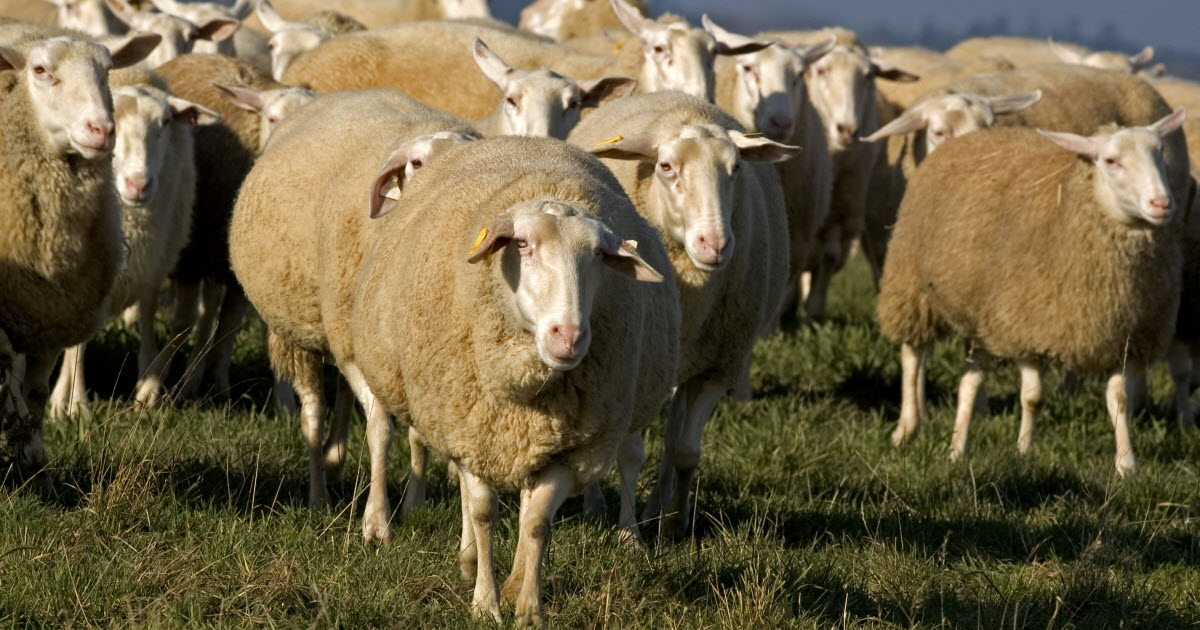
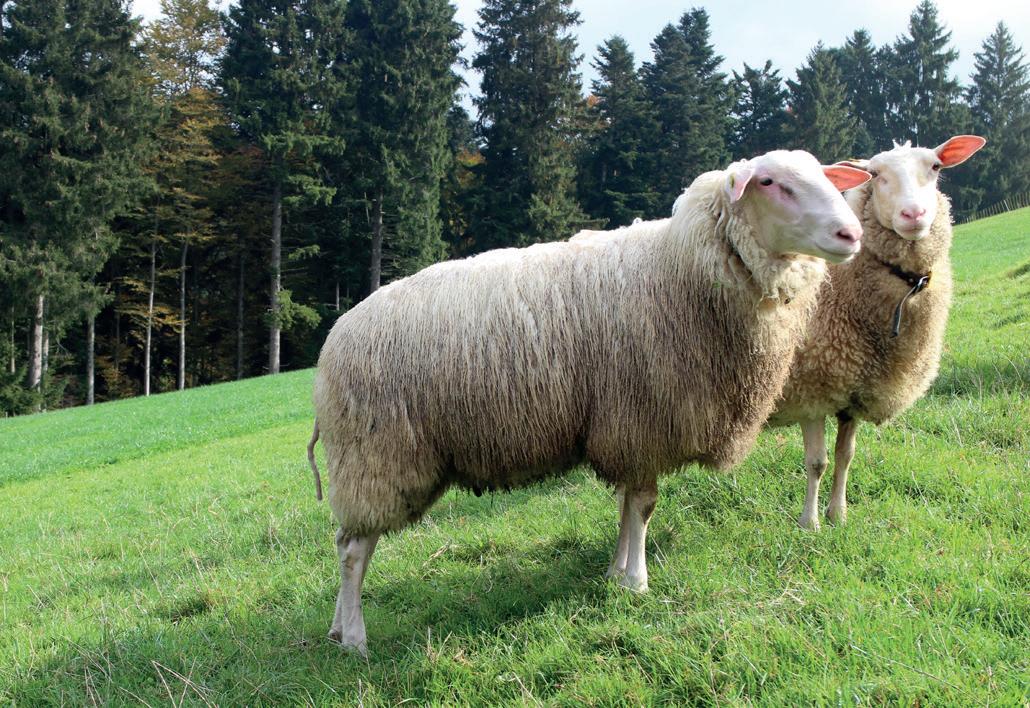
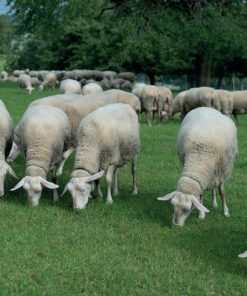
Appearance: They commonly have a white fleece and relatively clean faces and legs, although appearance can vary between animals and breeding lines.
Production management: Dairy ewes require appropriate feeding, breeding management, hygienic milking, and regular health monitoring.
Breeding selection: Buyers should evaluate milk-production history where available, udder structure, reproductive performance, body condition, and general health.
Daily care: Like other sheep, East Friesian animals need clean water, suitable forage, appropriate shelter, parasite control, and veterinary care.
East Friesian Ewes, Rams, and Lambs
Choosing the right animal depends on whether you want to begin milk production, develop a breeding flock, or raise replacement stock.
East Friesian Dairy Ewes
East Friesian ewes are particularly relevant to a dairy-focused operation. Before purchasing, ask about age, lambing history, current lactation status, udder health, previous milk production, and available veterinary records.
If you need animals that can enter milk production soon, confirm whether they are currently lactating. A young ewe that has not yet lambed will have different production prospects and management requirements from an established dairy ewe.
East Friesian Rams
East Friesian rams can be considered for breeding programs intended to improve dairy traits in future generations. Assess their health, structural soundness, breeding history, and pedigree information where available.
Reliable information about milk production in female relatives or offspring can help inform breeding decisions. A ram’s suitability should be assessed using evidence rather than appearance alone.
East Friesian Lambs
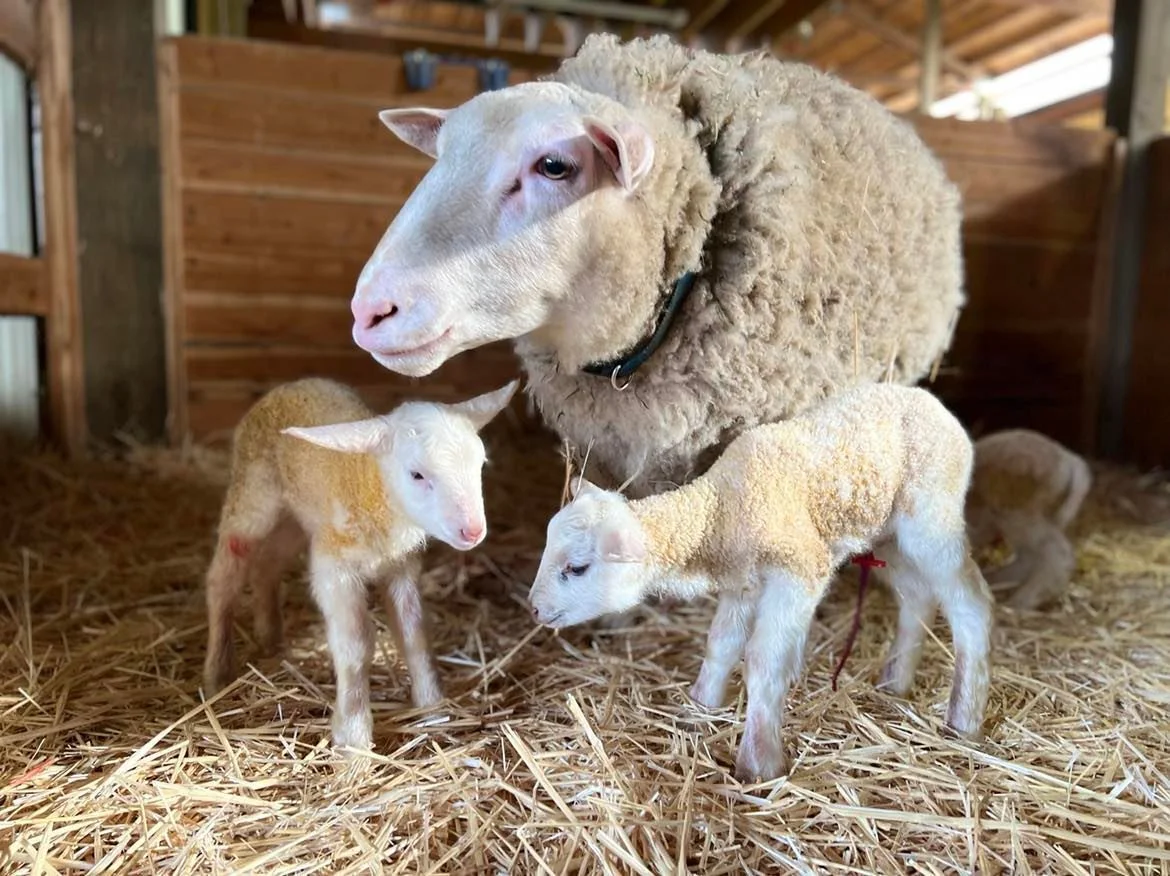
East Friesian lambs may be suitable for farmers building a future dairy flock. Confirm each lamb’s age, weaning status, feeding history, health condition, and available identification records.
Young animals need appropriate nutrition, clean housing, disease prevention, and careful monitoring during growth.
East Friesian Milk Sheep and Milk Production
East Friesian milk sheep are associated with dairy production, but successful results require a complete management system. The breed alone does not determine how much milk an individual animal will produce.
When evaluating animals for sheep milk production, consider:
- Milk yield: Request individual lactation records where available.
- Milk composition: Fat and protein levels may influence suitability for different dairy products.
- Udder health: Regular observation and hygienic milking practices help protect animal welfare and milk quality.
- Nutrition: Lactating ewes need an appropriate diet to support their production and body condition.
- Breeding management: Plan lambing and lactation schedules around your facilities, staffing, and production goals.
- Market access: Investigate local demand, processing options, milk-handling rules, and potential buyers.
Do not assume every East Friesian ewe will achieve the same milk output. Actual results depend on genetics, health, feed quality, lactation stage, and the quality of day-to-day management.
Feeding and Caring for East Friesian Milk Sheep
Proper feeding and care are essential for maintaining healthy dairy sheep. Nutritional needs vary according to age, body condition, pregnancy, lactation, and forage quality.
A suitable management program should include:
- Good-quality pasture and forage, with supplemental feed when needed.
- Continuous access to clean drinking water.
- Appropriate mineral supplementation based on local feed conditions and professional advice.
- Clean, dry resting areas and suitable shelter.
- Routine body-condition monitoring and health checks.
- Appropriate hoof care, parasite control, and veterinary guidance.
- Clean milking equipment and hygienic milk-handling procedures.
- Regular monitoring of udder health and prompt veterinary assessment of abnormalities.
Lactating ewes may require a different feeding program from dry ewes, rams, and growing lambs. Work with a veterinarian or qualified livestock nutrition professional to develop a suitable plan.
How to Choose the Right East Friesian Milk Sheep
Before buying East Friesian milk sheep, review these important points:
- Confirm breed identity: Request available identification, pedigree, and breeding records.
- Inspect health and body condition: Check movement, appetite, general condition, and signs of illness.
- Review milk records: Ask for verified yield and lactation information where available.
- Assess udder health: Review udder structure and ask about any previous mastitis or related problems.
- Check reproductive history: Review lambing records and breeding suitability where relevant.
- Evaluate farm facilities: Ensure you have appropriate feed, housing, milking equipment, labor, and veterinary support.
- Confirm purchase arrangements: Verify price, availability, transport, and required health or movement documentation.
These steps help you compare animals based on their suitability for your production goals.
Are East Friesian Milk Sheep Suitable for Your Farm?
East Friesian milk sheep may be a suitable option for farms equipped to manage dairy animals and sell or process sheep milk. Before investing, consider feed availability, labor costs, veterinary services, milking facilities, local regulations, and demand for sheep milk.
Your business plan should include the cost of purchasing animals, feeding, breeding, health care, milking equipment, milk storage, processing, transport, and marketing.
Profitability is not guaranteed by breed selection alone. It depends on production results, operating expenses, the price received for milk or dairy products, and the efficiency of the farm’s management.
Buy East Friesian Milk Sheep for Your Dairy Flock
If you are looking for East Friesian milk sheep, first determine whether you need lactating ewes, breeding rams, or lambs for future flock development. Request current availability, individual animal details, health information, and documented production records where available.
Contact us to discuss your requirements and confirm current stock, prices, and delivery arrangements. Selecting suitable dairy sheep and maintaining a sound management program can help you work toward your sheep milk production goals.
Frequently Asked Questions
What are East Friesian milk sheep known for?
East Friesian sheep are known for their dairy characteristics and are used in sheep milk production systems.
Are East Friesian sheep suitable for dairy farming?
They may suit farms with appropriate nutrition, milking facilities, veterinary care, and access to a sheep milk market.
What should I check before buying East Friesian ewes?
Review health, age, udder condition, lactation stage, reproductive history, and available milk-production records.
Can East Friesian rams be used in a dairy breeding program?
Yes. Rams can be selected according to health, structural soundness, pedigree information, and documented dairy traits in their family or offspring.
How can I confirm the price of East Friesian milk sheep?
Contact the seller to confirm current availability, individual animal details, prices, health records, and delivery arrangements.
East Friesian Milk Sheep – High-Potential Dairy Sheep for Milk Production
Premium East Friesian Milk Sheep for Dairy Farming
East Friesian milk sheep are widely recognized for their value in dairy sheep farming. Originally developed in northern Europe, the East Friesian breed is known for its dairy specialization, distinctive appearance, and potential to support small-scale and commercial milk production systems. For farmers looking to establish or expand a sheep dairy operation, East Friesian sheep are a breed worth considering.
Whether you are an experienced livestock producer or planning your first dairy sheep farm, understanding the breed’s characteristics, feeding requirements, and management needs is essential for making an informed purchasing decision.
Why Choose East Friesian Dairy Sheep?
East Friesian sheep are primarily raised for milk production rather than wool or meat. Their dairy-oriented characteristics make them a popular choice among producers interested in sheep milk, specialty dairy products, and breeding programs.
Potential advantages of raising East Friesian dairy sheep include:
- Dairy specialization: The breed has been selected for milk production and is commonly used in dairy sheep systems.
- Useful breeding potential: East Friesian genetics may support the development of productive dairy flocks when animals are carefully selected.
- Suitability for dairy products: Sheep milk can be processed into products such as cheese, yogurt, and other specialty dairy foods, subject to local food-safety requirements.
- Commercial and small-farm applications: The breed may be considered by family farms, specialty dairy producers, and livestock breeders.
- Crossbreeding opportunities: In suitable breeding programs, East Friesian genetics may be combined with other breeds to balance milk production, hardiness, and adaptation to local conditions.
Actual performance depends on genetics, age, health, nutrition, reproductive status, climate, and overall flock management. Buyers should evaluate individual animals and their breeding records rather than relying on breed reputation alone.
East Friesian Sheep Milk Production
East Friesian sheep are known as a dairy breed, but milk output varies considerably between individual animals and production systems. Factors such as lactation stage, lambing history, feeding quality, milking routine, and veterinary care can influence the amount of milk produced.
A well-managed dairy flock requires consistent access to suitable forage, balanced supplementary feed when necessary, clean water, comfortable housing, and an appropriate milking schedule. Farmers should also maintain accurate records of milk yield, breeding, lambing, health treatments, and feeding.
For producers researching dairy sheep breeds, East Friesian sheep may be a suitable option when the primary objective is milk production. Before purchasing, ask about the animal’s age, lactation status, health history, breeding background, and any available milk-production records.
Feeding and Nutrition Requirements
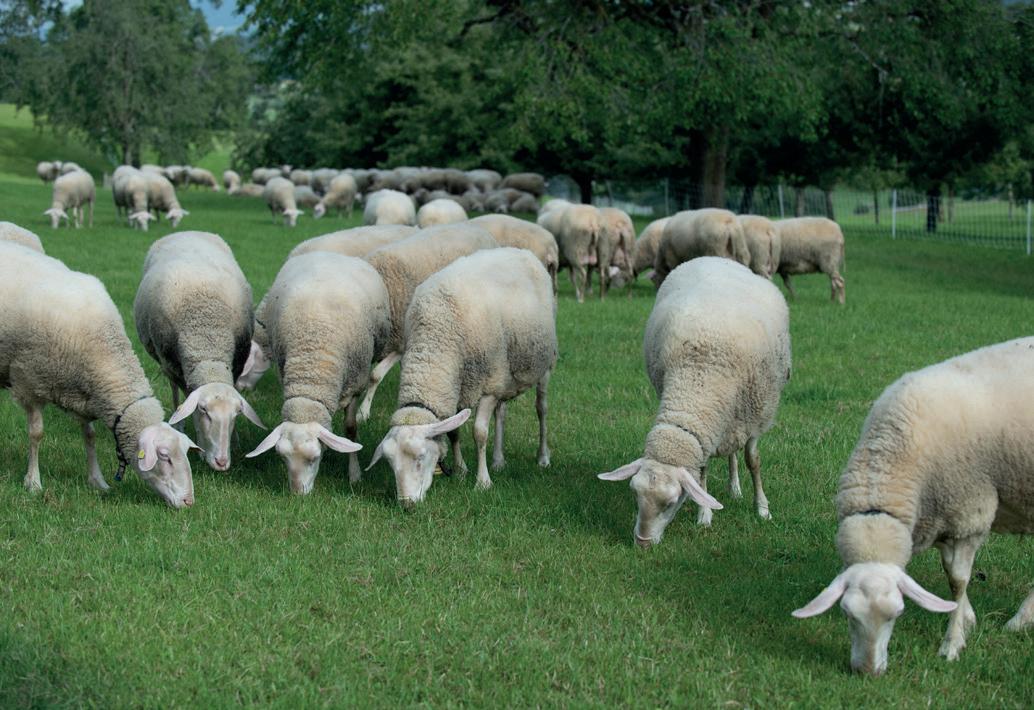
Proper nutrition is essential for maintaining the health and productivity of East Friesian milk sheep. Their diet should be based on good-quality pasture or forage, with additional feed provided according to the animal’s age, body condition, pregnancy status, and stage of lactation.
A practical feeding program may include:
- Quality pasture, hay, or other appropriate forage.
- Balanced supplementary feed when required to meet nutritional demands.
- Constant access to fresh, clean drinking water.
- Suitable mineral supplementation formulated for sheep.
- Regular monitoring of body condition and general health.
Feed requirements differ between dry ewes, pregnant ewes, lactating animals, growing lambs, and breeding rams. Work with a qualified livestock nutritionist or veterinarian to establish a feeding program appropriate for your flock and local conditions. Avoid using mineral products formulated for other livestock unless their suitability for sheep has been confirmed.
Housing, Health, and Daily Management
East Friesian sheep need a clean, well-ventilated, and secure environment. Housing should provide protection from extreme weather, adequate resting space, dry bedding where appropriate, and reliable access to feed and water. Pasture and outdoor areas should be managed to reduce exposure to parasites and maintain good grazing conditions.
Routine flock management should include:
- Regular veterinary checks and preventive healthcare.
- Appropriate parasite control based on local veterinary guidance.
- Hoof inspection and maintenance when needed.
- Clean feeding and watering equipment.
- Biosecurity measures for newly purchased or returning animals.
- Careful observation for changes in appetite, movement, behavior, or milk production.
Dairy sheep management also requires hygienic milking practices, clean equipment, and suitable milk storage. Follow applicable regulations for milk handling, processing, transport, and sale.
Breeding and Flock Development
East Friesian milk sheep can be considered for breeding programs focused on dairy production. When selecting breeding animals, look beyond appearance and consider health, fertility, udder structure, temperament, pedigree information, and documented performance where available.
A planned breeding program should also account for lambing management, adequate nutrition during pregnancy, newborn lamb care, and the long-term goals of the farm. Keeping reliable records helps farmers evaluate breeding outcomes and make better selection decisions over time.
If you intend to build a dairy flock, ask the seller whether the sheep are registered, purebred, crossbred, or accompanied by documented parentage. These details can help you choose animals that match your production objectives.
Is the East Friesian Breed Right for Your Farm?
East Friesian sheep may be a good fit for farmers who want to focus on sheep milk production and have the facilities, feed supply, labor, and management systems needed for a dairy flock. However, dairy sheep require thoughtful planning, regular monitoring, and consistent care.
Before investing, assess your local climate, available pasture, veterinary support, milking facilities, market demand for sheep milk, and applicable livestock regulations. A realistic farm budget should include animal purchase costs, feed, housing, healthcare, breeding, labor, and dairy equipment.
Buy East Friesian Milk Sheep With Confidence
If you are searching for East Friesian sheep for sale, choose animals that fit your farming goals and can be assessed through clear, reliable information. Ask for current photographs, age and health details, breeding history, and production records where available. Confirm transport arrangements and any required veterinary or movement documentation before completing a purchase.
East Friesian milk sheep offer an option for livestock producers interested in developing a dairy-focused flock. With appropriate selection, responsible animal care, balanced nutrition, and sound farm management, they can be part of a well-planned sheep dairy operation.
Explore East Friesian milk sheep for your dairy farming plans and make your purchasing decision based on verified animal information, your farm’s needs, and professional livestock guidance.
| TYPE | RAM, EWE, LAMB, WETHER |
|---|
Related products


Sheep for Sale
Sheep for Sale


Sheep for Sale


Sheep for Sale


Sheep for Sale


Sheep for Sale
