




Price range: $70.00 through $210.00
Strong Pietrain pigs for sale — premium lean meat pigs known for muscle, efficiency, and top-quality carcasses. Perfect for crossbreeding and commercial pork production.
The Pietrain Pig: Ultimate Guide to Breed, Characteristics, and Purchase in the U.S.
Pietrain Pig – Muscular, Lean-Meat Swine Breed
Discover the Pietrain Pig Breed
The Pietrain pig is a specialized swine breed known for its pronounced muscular development, distinctive spotted coat, and importance in modern pig breeding. Originating in Belgium, the Pietrain breed has become recognized in pork-production systems where carcass composition and lean-meat characteristics are important selection goals.
Whether you are developing a pig-breeding operation, expanding a livestock farm, or researching specialized meat-producing pigs, understanding Pietrain pig characteristics can help you decide whether this breed suits your production objectives.
Pietrain Pig Characteristics
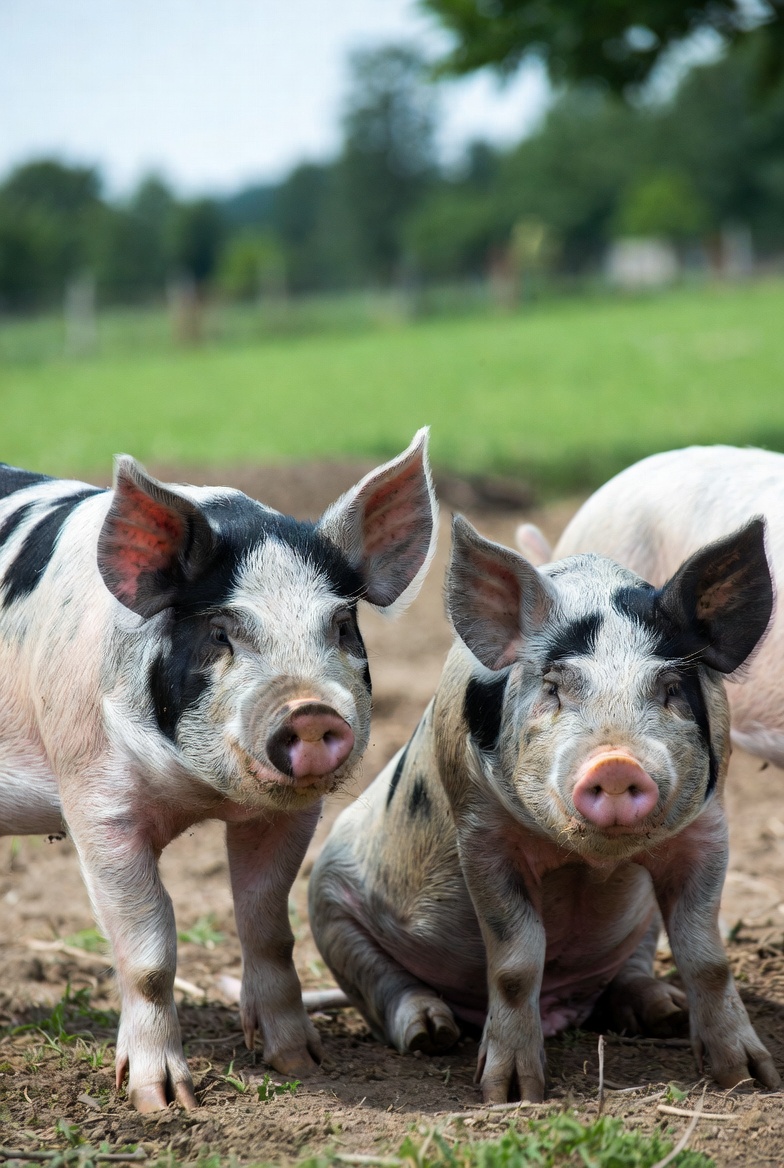
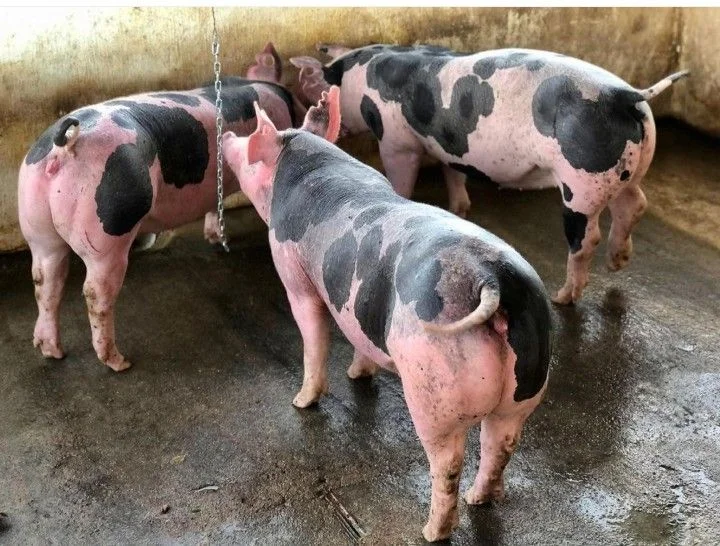
Pietrain pigs are easy to recognize because of their characteristic appearance and muscular body structure. Their coat is generally white or pale with irregular dark spots, while their body typically displays well-developed hindquarters and prominent musculature.
Important Pietrain breed characteristics include:
- Muscular body structure: The breed is known for its strong muscular development.
- Lean-meat potential: Pietrain genetics are used in breeding programs focused on carcass leanness.
- Distinctive spotted coat: Dark patches on a lighter background are a recognizable breed feature.
- Breeding applications: Pietrain pigs are commonly considered for terminal-sire and crossbreeding programs.
- Specialized production role: They may suit farms that prioritize meat-production traits and have appropriate management systems.
Individual animals can differ in conformation, temperament, health, growth, and breeding performance. Buyers should evaluate the animal itself and request reliable pedigree or performance records where available.
Why Choose Pietrain Pigs for Breeding?
Pietrain pigs are particularly associated with breeding programs designed to improve muscularity and carcass characteristics in market pigs. Producers may use Pietrain boars in planned crosses with other suitable breeds, depending on their breeding goals and the characteristics of the sow line.
A well-designed breeding program should consider more than muscle development alone. Fertility, litter performance, growth rate, feed efficiency, animal health, meat quality, and the ability to thrive under local conditions all influence overall farm performance.
Before selecting a Pietrain boar or gilt, review available breeding information and discuss compatibility with your existing herd. Genetic selection should match your farm’s production system rather than relying on breed reputation alone.
Feeding and Nutrition for Pietrain Swine
A balanced feeding program is essential for supporting healthy growth, muscular development, reproduction, and general wellbeing. Pietrain pigs require diets appropriate to their age, weight, physiological stage, and production purpose.
A suitable management program may include:
- Nutritionally balanced feed formulated for pigs.
- Adequate energy, protein, amino acids, vitamins, and minerals.
- Continuous access to clean drinking water.
- Feeding plans adjusted for growing pigs, breeding stock, and pregnant or lactating sows.
- Regular monitoring of body condition, appetite, and growth.
Feed quality and consistency matter. Work with a qualified livestock nutritionist or veterinarian to establish a feeding plan that meets the animals’ needs and complies with local feeding and food-safety requirements.
Housing, Health, and Daily Care
Pietrain pigs need secure housing that provides sufficient space, ventilation, clean resting areas, and protection from extreme temperatures. Suitable flooring, hygiene, drainage, and reliable access to water and feed help support animal welfare.
Routine management should include veterinary checks, vaccination and parasite-control planning where appropriate, regular cleaning, and biosecurity procedures. New animals should be assessed and managed according to veterinary guidance before joining an established herd.
Pietrain genetics can be associated with stress susceptibility in some lines, including susceptibility linked to the porcine stress syndrome gene. For this reason, responsible breeders should consider genetic information where available and prioritize calm handling, appropriate transport, and good heat-stress management.
Is the Pietrain Pig Suitable for Your Farm?
Pietrain pigs may be suitable for livestock producers who want to work with specialized meat-production genetics or develop a planned crossbreeding program. Their suitability depends on your objectives, facilities, feed resources, climate, access to veterinary support, and experience managing pigs.
Before purchasing, consider the following:
- Your farm’s breeding or meat-production objectives.
- The animal’s age, sex, health status, and breeding history.
- The suitability of the breed or cross for your local environment.
- Feed costs, housing requirements, and available veterinary services.
- Transport arrangements and required animal-health documentation.
Careful planning can help you choose animals that fit your operation and support responsible, sustainable herd management.
Buying Pietrain Pigs
If you are searching for a Pietrain pig for sale, request clear photographs and accurate details about the available animal before making a purchase. Confirm its age, sex, health status, vaccination history where applicable, and whether it is purebred or crossbred. Ask for pedigree, parentage, or performance records when these are represented as part of the sale.
For breeding stock, additional information about fertility, litter history, and the genetic background can help you assess suitability. Verify the seller’s details, agree on the purchase terms, and confirm transport and veterinary documentation before payment and delivery.
Find the Right Pietrain Pig for Your Livestock Operation
The Pietrain breed offers a specialized option for farmers interested in muscular swine and breeding programs focused on lean-meat characteristics. With informed animal selection, balanced nutrition, responsible breeding, and consistent health management, Pietrain pigs can contribute to a production system designed around your farm’s needs.
Contact us to request current availability and further information about the Pietrain pigs offered for sale. Make your decision based on verified animal details and a clear understanding of your farm’s breeding or production goals.
The Muscle Pig of the Swine Industry
The Pietrain pig is one of the most distinctive and specialized breeds in the swine industry, instantly recognizable by its heavily muscled appearance and distinctive black-spotted coat. Originating in a small Belgian village, this breed has gained a worldwide reputation for producing an exceptionally lean, high-yielding carcass with an unparalleled muscle-to-bone ratio. While not as numerous as breeds like the Yorkshire, the Pietrain is a critical genetic resource for commercial producers seeking to maximize leanness and carcass quality in their market hogs. At OrderLivestock.com, we connect knowledgeable producers with top breeders, offering a secure and transparent platform to find quality Pietrain pigs for sale. Whether you are looking to use them as a terminal sire or improve your herd’s carcass traits, this comprehensive guide will cover everything you need to know, from their Belgian origin and unique characteristics to the critical consideration of stress syndrome and how to make a confident, high-value purchase.
What is a Pietrain Pig? Defining the Breed Standard
The Pietrain pig breed is a medium-sized swine breed, famous for its extreme muscling, particularly in the ham and loin. They were developed in the village of Pietrain, in the Walloon region of Belgium, around 1920. Their unique conformation is the result of a specific genetic mutation that causes double-muscling, a trait that makes them unparalleled in carcass leanness but also comes with significant management considerations.
Key Characteristics of the Pietrain Pig
Understanding the pietrain pig characteristics is essential for any potential buyer. Their traits are a double-edged sword, offering immense benefits alongside specific challenges.
-
Appearance: They have a distinctive color pattern: white with black spots. Their skin is pink underneath the white hair, and the black spots are clearly defined. The most striking feature is their extreme muscular development. They have very broad, deep hams, a heavily muscled back and loin, and a relatively light front end.
-
Size and Weight: Compared to breeds like the Yorkshire, the pietrain pig weight is moderate. Mature sows typically weigh between 500 and 600 pounds, while mature boars range from 600 to 700 pounds. They are not as large as some maternal breeds, as their genetics are focused on carcass composition, not overall size.
-
Ears: They have erect ears, similar to the Yorkshire, which distinguishes them from some other European breeds.
-
Temperament: They are generally considered to be active and can be more nervous and high-strung than some other commercial breeds. This temperament is linked to their susceptibility to stress.
The Critical Consideration: Porcine Stress Syndrome (PSS)
No discussion of the Pietrain pig is complete without addressing Porcine Stress Syndrome (PSS), also known as Malignant Hyperthermia. This is a genetic condition that makes affected pigs highly susceptible to stress. When stressed (during handling, transport, or fighting), they can experience muscle rigidity, high fever, and sudden death. The meat from stressed pigs can also become pale, soft, and exudative (PSE), which is undesirable for processors and consumers.
Historically, the Pietrain breed had a very high incidence of the gene responsible for PSS. However, through decades of intensive selective breeding and the use of genetic testing, many modern Pietrain lines have been bred to be free of the stress gene. This is the single most important factor to investigate when considering purchasing pietrain pigs for sale. Reputable breeders will provide clear documentation on the genetic status of their animals, confirming they are free of the PSS mutation.
To answer the frequent query “what are pietrain pigs used for,” their primary purpose is as a terminal sire. A terminal sire is a boar used to breed with sows from maternal breeds (like Yorkshire or Landrace) to produce market hogs. The Pietrain’s genetics are used to inject extreme leanness, muscle depth, and carcass yield into the offspring, which are then all sold for meat, not kept for breeding.
Why Buy Your Pietrain Pig from OrderLivestock?
At OrderLivestock.com, we provide a trusted digital marketplace that connects specialized producers with the nation’s most reputable breeders of niche breeds like the Pietrain. We understand that purchasing Pietrain genetics requires a deep understanding of the breed’s unique traits and health considerations, and we are here to make that process transparent, secure, and data-driven.
Transparent Pricing on Pietrain Pigs
The pietrain pig price reflects the breed’s specialized nature and the genetic testing required to ensure quality. To answer the query “how much does a pietrain pig cost,” here is a detailed breakdown of the market.
| Class of Pig | Price Range (Per Head) | Key Factors Influencing Price |
|---|---|---|
| Pietrain Boars (Registered) | $800 – $2,500+ | Genetics, PSS-free status, conformation, muscle depth, and pedigree from proven lines. |
| Pietrain Gilts (Registered) | $600 – $1,500+ | Genetics, PSS-free status, conformation, and pedigree. Used to produce purebred Pietrains or F1 crossbred females. |
| Pietrain Cross Feeder Pigs | $75 – $200 | Weight, health, and the percentage of Pietrain genetics. Valued for their superior carcass potential. |
| Pietrain Semen | $15 – $50 per dose | Genetics of the boar, PSS-free status, and its reputation for siring high-performing market hogs. |
To answer “how much are pietrain pigs” directly: the price ranges from $75 for a crossbred feeder pig to well over $2,500 for a top-tier, registered, PSS-free herd boar with superior genetics. The value is intrinsically linked to the animal’s genetic potential and verified health status.
Uncompromising Livestock Health & Genetic Testing Standards
For the Pietrain breed, health and genetic testing are paramount. All pietrain pigs for sale on our platform are listed by breeders who must adhere to strict guidelines. This includes:
-
Mandatory PSS Genetic Testing: Sellers are expected to provide clear documentation of the animal’s genetic status, proving they are free (N/N) of the stress gene.
-
Current negative tests for other relevant swine diseases (e.g., PRRS, Mycoplasma).
-
Up-to-date vaccinations following industry-standard protocols.
-
A recent veterinary health certificate for interstate transport.
-
Clear documentation of registration papers with the National Swine Registry or other relevant breed associations.
We help you buy with confidence, knowing the animal you are purchasing is healthy, genetically sound, and exactly as represented.
Nationwide Shipping and Logistics
Finding the perfect Pietrain genetics shouldn’t be limited by geography. Our platform simplifies the logistics of getting your new seedstock to your farm, no matter where you are in the United States.
-
Specialized Transport Network: We connect you with experienced livestock haulers who specialize in the safe, low-stress transport of swine, understanding the specific needs of a breed sensitive to stress.
-
Nationwide Reach: Whether you are searching for pietrain pigs for sale in usa, or in specific states like iowa, illinois, or indiana, our platform connects you with sellers and shippers who can make the delivery happen.
-
Full Transparency: We provide estimated shipping costs and timelines, so there are no surprises on your final investment.
Commercial Producers and Crossbreeding Programs
We cater to commercial producers looking to enhance their market hog programs.
-
Terminal Sire Selection: Use our advanced filters to search for Pietrain boars with superior Estimated Breeding Values (EBVs) for loin depth, backfat, and feed efficiency.
-
Crossbreeding: Find Pietrain boars specifically selected for crossing with Yorkshire or Landrace sows to produce high-performing F1 market hogs with exceptional carcass quality, often referred to as duroc pietrain pigs or other popular commercial crosses.
How to Order Pietrain Pigs Online:
Purchasing specialized, high-value livestock online requires trust and transparency. OrderLivestock provides both. Follow these simple steps to invest in your herd’s future.
-
Search and Filter: Use our powerful search tool to find pietrain pigs for sale. Filter by registration status, PSS-free status, location, price, age, and gender to find the perfect match.
-
Review the Listing: Each listing includes multiple high-quality photos, a detailed pedigree, genetic testing results (especially for PSS), health records, and the breeder’s background. Pay close attention to the animal’s muscle conformation and genetic potential.
-
Connect with the Breeder: Use our secure messaging system to ask the seller detailed questions. Inquire about the animal’s stress susceptibility, its sire’s and dam’s performance data, and its full health protocol.
-
Secure Your Investment: Our integrated payment platform protects your funds, releasing them to the seller only after you have confirmed the safe arrival and satisfaction with your animal.
-
Arrange Transport: Work with the seller and our network of recommended livestock transporters to coordinate the safe and humane delivery of your new pigs, ensuring low-stress handling.
-
Welcome to Your Herd: Quarantine new arrivals as per best practices, and begin realizing the genetic potential of your new Pietrain investment.
Frequently Asked Questions About Pietrain Pigs
1. What is a Pietrain pig?
A Pietrain pig is a breed of domestic swine originating from Belgium, renowned for its extreme muscular development, particularly in the ham and loin. They are primarily used as terminal sires in crossbreeding programs to produce lean, high-yielding market hogs.
2. Where did Pietrain pigs originate?
Pietrain pigs originated in the small village of Pietrain, in the Walloon region of Belgium, around 1920. They were developed from local pig breeds, with selection focused on muscle development and carcass quality.
3. What are the characteristics of a Pietrain pig?
Key characteristics include a distinctive white coat with black spots, erect ears, and extreme muscularity, often described as “double-muscling.” They are a medium-sized breed with mature boars weighing 600-700 pounds and sows 500-600 pounds.
4. Are Pietrain pigs good for meat?
Yes, Pietrain pigs are exceptional for meat production. They produce an extremely lean, heavily muscled carcass with a high percentage of valuable lean cuts. Their meat is lean and of high quality, though historically, stress-prone lines could produce pale, soft meat.
5. What is Porcine Stress Syndrome (PSS) in Pietrain pigs?
Porcine Stress Syndrome is a genetic condition that makes pigs susceptible to stress, leading to muscle rigidity, fever, and sudden death. It can also result in pale, soft, exudative (PSE) meat. Modern, reputable breeders use genetic testing to ensure their Pietrain stock is free (N/N) of the stress gene.
6. What are Pietrain pigs used for?
Their primary use is as a terminal sire in commercial crossbreeding. Pietrain boars are bred with maternal sows (like Yorkshires) to produce market hogs that inherit the Pietrain’s superior leanness, muscle depth, and carcass yield.
7. What is the difference between a Pietrain and a Yorkshire pig?
The main differences are their purpose and conformation. Yorkshires are a maternal breed known for large litters and mothering ability. Pietrains are a terminal sire breed known for extreme muscling and leanness. Pietrains have a spotted coat, while Yorkshires are solid white.
8. How much does a Pietrain pig weigh?
Mature Pietrain sows typically weigh between 500 and 600 pounds. Mature boars are larger, usually weighing between 600 and 700 pounds. At market weight (around 6 months), a Pietrain-cross hog will typically weigh 250-280 pounds, with a much higher lean percentage than many other breeds.
9. Are Pietrain pigs good for crossbreeding?
Yes, they are excellent for crossbreeding as a terminal sire. Their genetic strengths—muscling, leanness, and carcass yield—are passed on effectively to their offspring, making them invaluable for improving the quality and value of market hogs.
10. What are the pros and cons of raising Pietrain pigs?
Pros: Superior carcass leanness and muscle depth, high value for market hog production, excellent for crossbreeding.
Cons: Historically prone to stress syndrome (mitigated in modern lines), can be more nervous than other breeds, not suitable as a maternal breed due to smaller litters and less milk production.
Conclusion: Invest in the Terminal Sire That Defines Leanness
The Pietrain pig is a specialized genetic tool for the serious commercial producer. Its unparalleled ability to transmit extreme muscling and leanness to market offspring makes it a valuable asset in any program focused on maximizing carcass value. However, its successful use requires knowledge, careful genetic selection, and a commitment to low-stress management practices.
At OrderLivestock.com, we are your trusted partner in acquiring these specialized genetics. We provide the platform, the critical genetic data (including PSS status), and the network of vetted breeders you need to make an informed, confident, and successful purchase. Don’t just search for “pietrain pigs“—build a more profitable market hog program with us.
| PIGS | MALE, FEMALE, PIGLETS |
|---|
Related products


Pigs for sale


Pigs for sale


Pigs for sale

Pigs for sale


Pigs for sale
Pigs for sale
